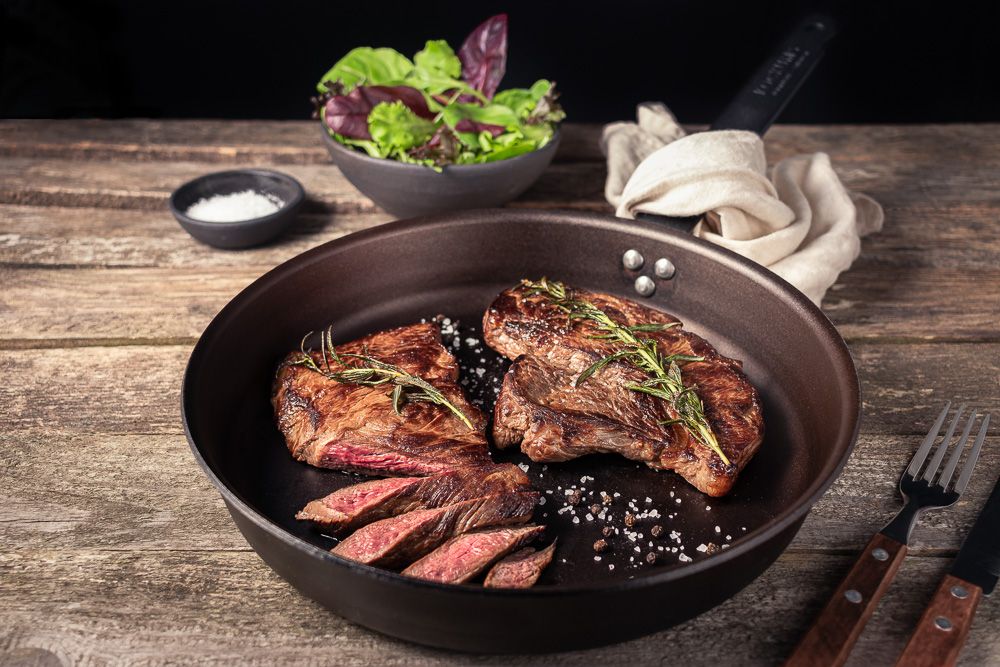
Meat can be mouth-watering—or a total styling nightmare. Too glossy, too dry, too grey… we’ve all been there. But when styled right, it becomes the hero of the shot.
In this Pro Tips edition, 34 talented creatives (and I) share our favourite tips for styling meat. From getting that perfect char and glisten, to keeping it juicy under the lights - these tricks are based on real challenges we’ve faced on set.
Whether you shoot steaks, roasts, or slow-cooked BBQ, you’ll find smart solutions to bring out the best in every cut.
Want to learn more styling tricks? Explore all Pro Tips episodes here.
What is their pro tip for styling meat?
Before you scroll any further, grab your favourite hot drink or smoothie, find a comfy place, and get ready to dive into this inspiring read!
" Keep it moist! Make sure that the meat doesn't look dried out by adding oil on it. "
Maaike Zaal - cocktail-, food- & product photographer
" Meat will not stay good for long, whatever you do to it, so always keep extras, especially when doing film. "
Meri-Tuuli Väntsi - food stylist, chef, content creator
" I use food coloring, glycerin, chlorine, wax, etc. I also like to use BBQ sticks to make it look grilled. "
Natasha Maria Putrianti - food stylist
" For raw meat, I just use the common red food coloring. (I have done Grocery Store Flyer “product shot” meat for weekly flyers, which is more of a silo, white seamless kind of shot that client wants.)
For entrees and lifestyle shots, like Thanksgiving meal Turkey, I cook the turkey for 1 hour and then brush “kitchen bouquet” gravy turkey to give a roasted, slow cook look and then use a kitchen torch to further make turkey “cooked” and brush on fresh herbs. For hero shot of turkey, I have garnished with everything from citrus, bay leaves, and mini-apples. To keep garnishes in place and to give a more layered look, I use T-Pins "
Bonnie Aunchman - commercial photo stylist
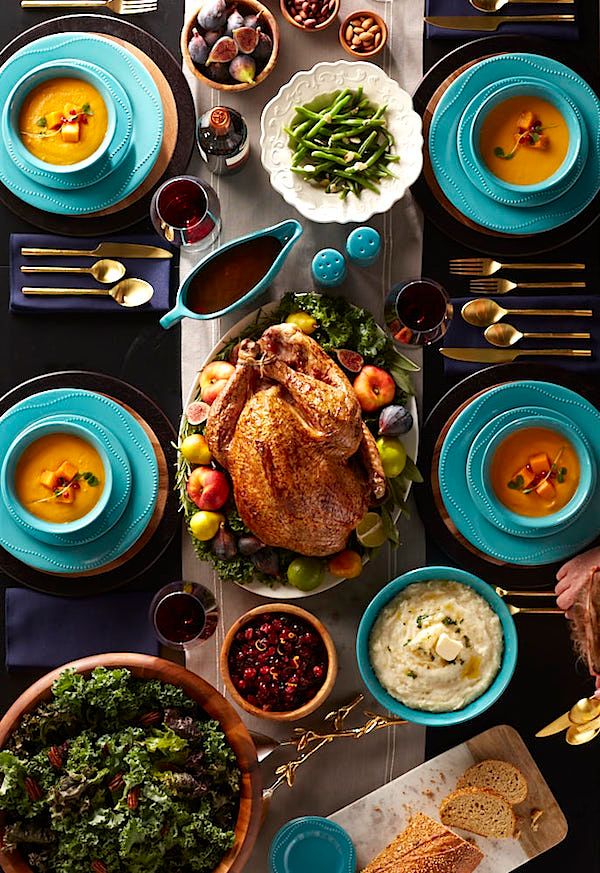
© Bonnie Aunchman
" Using a grill pan to mark, brush with a mixture of olive oil and soy sauce for an extra juicy look. "
Lenka Selinger - photographer & food stylist
" When photographing raw meat, I love using crumpled parchment paper under it to help signify food safety as well as to add interesting texture to the scene. "
Joanie Simon - photographer
" I only share vegan meat alternatives on my blog page but find pairing with colourful veg makes the picture more interesting. Brushing the ‘meat’ with oil makes it look freshly cooked and more juicy. "
Krissie Oldroyd - food blogger
" Use honey or oil and lightly brush the meat to give the juiciness. Use backlighting to enhance the texture . "
Nisha De Silva - food/beverage photographer & stylist
" If you can under cook the meat a bit, that helps with the color. Brushing olive oil or any cooking oil over the meat before you capture the photo will help it look juicy. Slow cooker items - I like to give a good stir to get the sauce back onto the meat. "
Kristina Cadelina - food blogger & photographer
" Grill marks always look nice. Make sure its not oozing juices / blood. The magic is in the marinate / spices / garnish / plating to bring it to life. "
Nikki Jones - photographer
" When styling meat you’ll want to ensure that it always looks perfectly juicy. Brushing oil onto the meat can help achieve this look once it starts to dry up! "
Kirby Mekler - photographer & food stylist
" If you're photographing cooked meat, cut it - so that the inside is visible. Juicy, soft and fresh on the inside, even if it has a little bit of burn on the outside (which is often delicious, but not very photogenic). Meat should be photographed while it is still warm, but you can always spread it with good olive oil to keep it glossy for longer. "
Anna Ilieva-Alikaj - photographer
" Always shoot it undercooked and color it with soy sauce. "
Hadeel Magdy - food stylist & photographer
" Meat looks easy, but the challenge is about to show its texture - especially if it's covered by seasoning or sauce. I am from Indonesia, especially Bali, which mostly the food is cooked with bunch of spices.
After more than 10 years I became a food stylist, I found out, that food always had their own way to show your beauty- especially meat. Like a flower, different meat have their own time for blooming when the heat comes. So, just test them, and find out which degrees help showing their best textures. The more you meet these type of projects, the more you will be surprised, how amazing they are. "
Fatula Waluyo - food stylist
" I’m not a meat-eater and honestly don’t have much experience preparing it myself; I’ve focused more on plant-based foods so far. When it comes to styling meat, my best advice is to do plenty of research and, of course, test! Each meat dish is different, so pay attention to the textures and colors. And remember, a client’s preferences can also guide how you style the dish. "
Irina Lopik - photographer, prop stylist
" The simple answer is - make it look delicious. Most of the time the cooked meat is brown. Brown is dull. To avoid having a dull picture, the photographer needs to reveal those details that makes the spectator mouth-watering. Show the reddish center of the good steak, juices, texture, spices and herbs, maybe some garnish. And it all comes out with the well-chosen light setup - not that much to the styling. "
Milena Ugrinova (Mim) - photographer
" If there is a sauce and it's brown, make sure you have a garnish with some color to add to the final dish. Shooting meat can be very monotone but some parsley can go a long way in sprucing things up! "
Audrey Marie Bufalini - photographer
" I keep it oiled and sheltered from the air. I also don't cut meat until I'm absolutely ready to use it. Red meat changes color very quickly. Then I oil it again. I don't use olive oil, I find that it adds a green color. I prefer vegetable oil. "
Suzy Eaton - food stylist
" Use the freshest cuts with vibrant color. Avoid meat that looks dull or grey. Mist with water or a light oil spray to keep it looking fresh. Style raw meat on contrasting surfaces like butcher paper, marble, or dark cutting boards for a clean, striking presentation. "
Noora Väänänen - content creator, food journalist, photographer & stylist
" For meat I make sure the grill stripes are as good as I can get them. I don't care if the meat is cooked throughout as long as the outside is good looking. Also when photographing meat I always have oil and a brush to apply oil during the shoot. Meat has the tendency to dry out quickly.
When it comes to raw meat, I make sure I have the freshest I can get to prevent the 'brownish look'. I also push the red colours of raw meat in the edit. I quite often shoot food for BBQ businesses and such. In that case I like to keep it a bit rough to match the vibe of BBQ. "
Anoeska Vermeij - food photographer
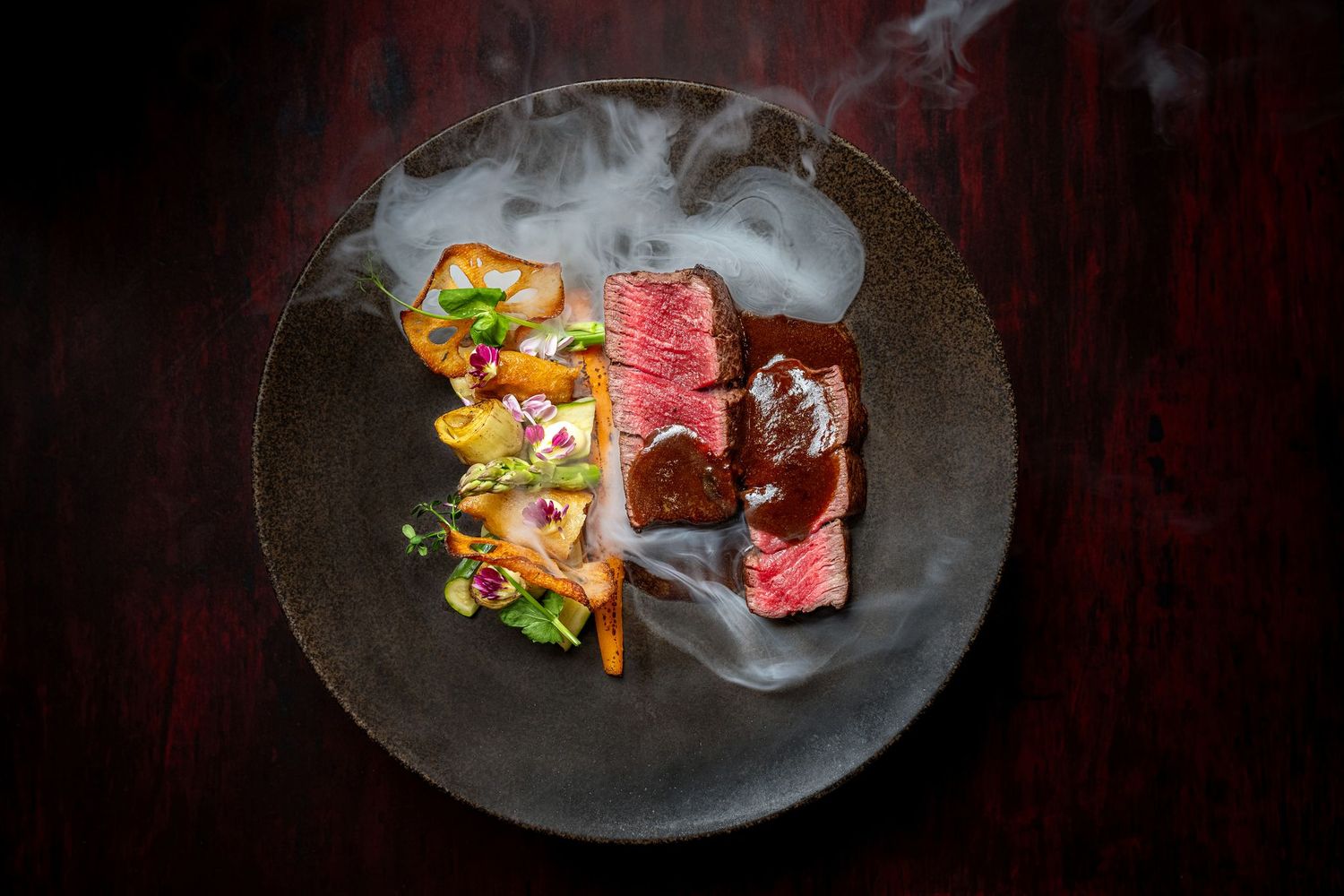
© Anoeska Vermeij
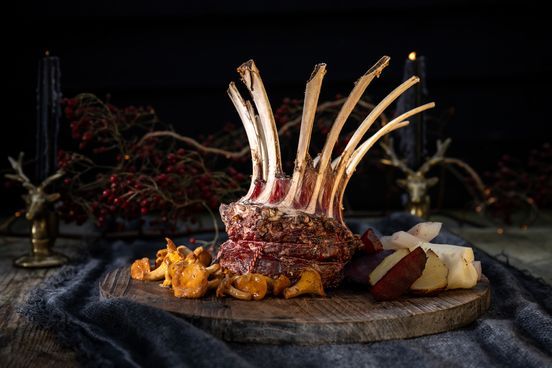
© Anoeska Vermeij
" Using “meat sauce” to add an intense color (if it’s possible, if it it makes sense with the dish) keep it moist with sauce of glycerin / water "
Karen Loza - food photographer & stylist
" Raw meat especially needs to be fresh and as red as possible! This can also be emphasized post production by adding some red in a mask. Our brain responds better to darker red meat’s as being fresh! Grilled or slow cooked meats, keep them warm so they don’t congeal, use a spritz bottle to help keep them moist. "
Austin Claire Hackworth - photographer
" For raw meat I select the prefect size, shape and texture of the meat and add oil for additional shine. If client requires I suggest to add some fresh herbs or cherry tomatoes for color around the plate.
For grilled meat I always undercook the meat and color it with the food coloring recipe suggested by Delores Custer in her Food Styling book - using a mixture of Kitchen Bouquet, Angostura bitters, yellow food coloring and transparent dishwashing liquid.
To add the grill marks I either heat up skewers using a blow torch or gas stove or use an electric charcoal starter. For slow cooked meat it's best to use the lighter meat pieces and add BBQ sauce or the sauce of choice around as per recipe. "
Henriett Braun - food stylist
" Add garnishes or ingredients on top to add interest, such as fresh thyme on top of meatloaf. "
Emily Miller - photographer, recipe developer, blogger
" Create a shine on the meat to achieve a juicy look by using a bit of oil and the right lighting. "
Kata Endrődi - photographer
" Styling meat can be one of the trickiest aspects of food photography, but with the right approach, it’s possible to make it look juicy, flavorful, and utterly mouthwatering. While I often collaborate with food stylists for these shoots, I sometimes style them on my own as well, drawing on experience and techniques I’ve honed over time.
- Embrace the challenge: one of the biggest challenges is making meat look juicy and appealing. Unlike other foods, meat can easily look dry or unappetizing if not styled carefully. Preparation and attention to detail are essential.
- Add shine and enhance color: for raw meat, a light coating of oil adds a subtle shine that keeps it looking fresh and vibrant. For cooked meat, I recommend brushing it with a mixture of soy sauce and oil. This not only deepens the color but also gives the meat a rich, appetizing appearance. It’s important to note that cooking meat for photography isn’t the same as cooking it for eating - it’s not uncommon to undercook meat slightly to maintain the right texture and color for the camera.
- Use the right tools: a heat gun is incredibly helpful for reheating sections of meat to create a subtle steam effect, giving the impression of freshly cooked food. A spray bottle is great for misting meat with water to keep it looking moist, while a small brush can be used to apply oil or sauce precisely where needed.
- Showcase the texture: slicing or tearing parts of the meat can highlight its texture and juiciness. For example, a perfectly seared steak might be shown with a few strategic slices to reveal its interior, or slow-cooked pulled pork might have strands of meat pulled apart to showcase its tenderness.
Styling meat requires a balance of creativity and technical skill. Whether collaborating with a food stylist or styling solo, applying these techniques ensures that every cut, grill mark, and slice looks as delicious as it tastes. "
Joanna Wojewoda - photographer
" Often when we are shooting raw meat, if the meat has been kept frozen for days, it loses out its redness. Thus, I would recommend always working with fresh meat/ingredients.
When working with grilled food, I usually keep it slightly undercooked, the outside should look cooked even if the meat is raw from inside. If we cook them completely, meat often tends to lose its moisture, shrink down in size and end up not looking meaty enough. One can always use a brush of oil on the meat before taking the final shot, the glaze makes it look more juicy and appetising. "
Abhishek Khanna - food photographer & stylist
" Working with semi-cooked meat and applying the Maillard effect with a brush is the best way to control the final appearance. Once the general tone of the meat is achieved, grill marks (if it’s BBQ) or more toasted parts can be added to give it the necessary realism. When it comes to an entrecôte or ribeye, it’s important to control the rawness inside. This must be achieved on the grill or pan - that is, for real. Recreating the exact level of doneness artificially is very difficult. "
Oscar Sanz - food stylist
" Keep meat partially frozen, it keeps the structure, color and appearance fresher. A partial freeze give you a little bit of time to work with it before it begins to bleed or look unappetizing. Coarse salt, black pepper, whole spices and fresh herbs help style uncooked meat while suggesting how it can be enjoyed. "
Anisa - photographer, recipe developer
" Be aware not to overcook or over-char steak.
I've not styled much meat for hero campaigns, but when I'm working with restaurant clients I often find that the less experience the team are to photoshoots, the less likely they will understand not to cook steak too much, so it's a good idea knowing there's steak or meat on the menu to shoot to have a briefing session with the client and let them know to "underdo" the cooking so it's not too dark, as the charring of meat tends to come up "looking burnt" in some photography depending on the light and angle. "
Kera Wong - creative
" Though I don't style meat often, the few times I have, I've found foam spacers helpful and kept the hero slightly tilted for a better camera angle and view. "
Shwetha Elaina - food photographer & stylist
" I always undercook the meat I shoot and use oil and brush paint to make them shiny as I don't want it to look dry. "
Constance Ibañez - food photographer, culinary event host
" If you're photographing sliced meat, make sure the slices are sharp and neatly cut. The beautiful layers of meat, like the caramelized edges of a steak, will look stunning if lit well. The internal texture of the meat, the fibers, and juicy layers are key. The sauce adds extra appeal to the image.
If you want a more dynamic visual effect, try photographing the meat while cutting it. Capturing that moment can make the dish more striking. The colors of the meat (especially the reddish and brown tones) really stand out when paired with contrasting sides. For example, a fresh green salad, herbs, or a vibrant sauce can help with the composition. The deep red-brown of the meat creates a beautiful contrast with lighter greens, or a spicy red sauce can also give a dynamic touch. "
Liliána Tóth - food photographer
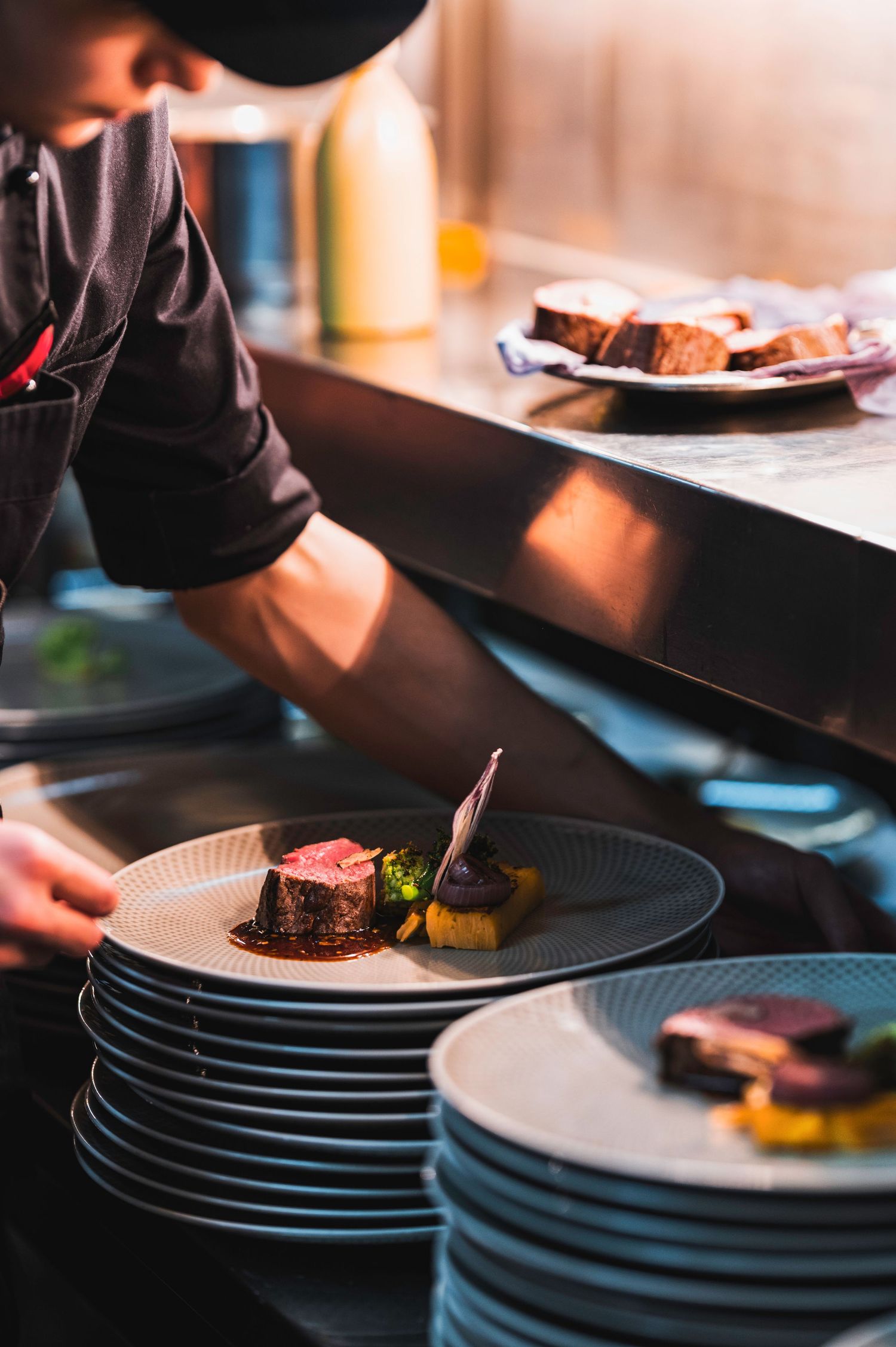
© Liliána Tóth
" Herbs and spices are my best friends. A sprinkle of fresh herbs or a dash of colourful spices like chilli flakes, salt, or cumin always enhances the appearance of meat, making it look more appetising. "
Marika Cucuzza - food photographer, recipe developer, content creator
" In some cases, achieving the desired look requires undercooking the meat. But this will usually leave the outer layer without the desired, beautiful charred texture. In this case, I finalise the hero with a kitchen torch, heat gun, or electric charcoal starter. "
Reka Peurala - photographer, stylist, recipe developer, mentor
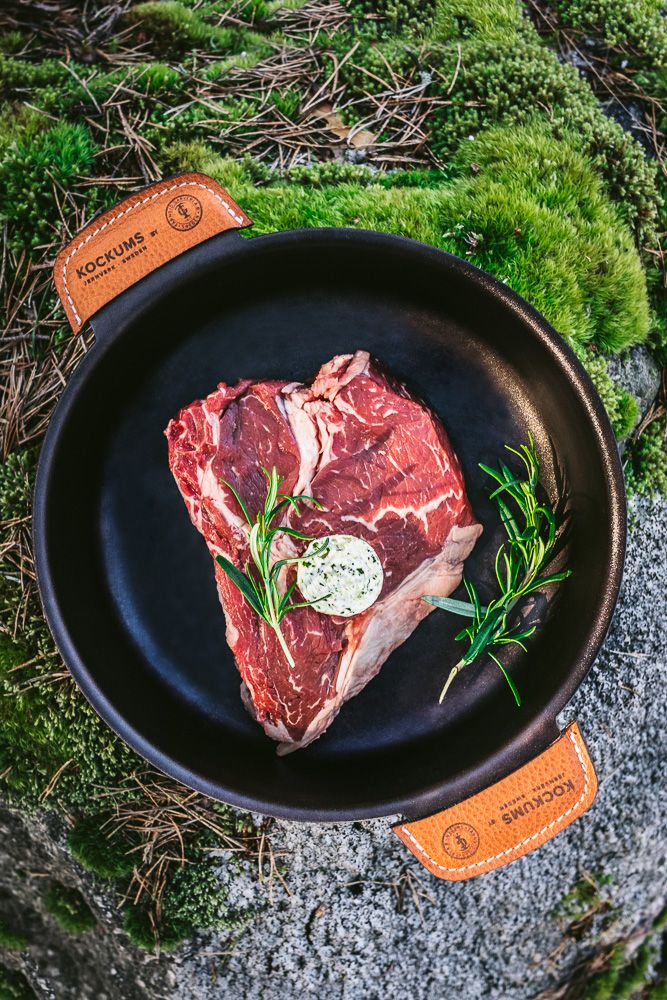
Photo by © Reka Peurala - Three Pod Studio


